
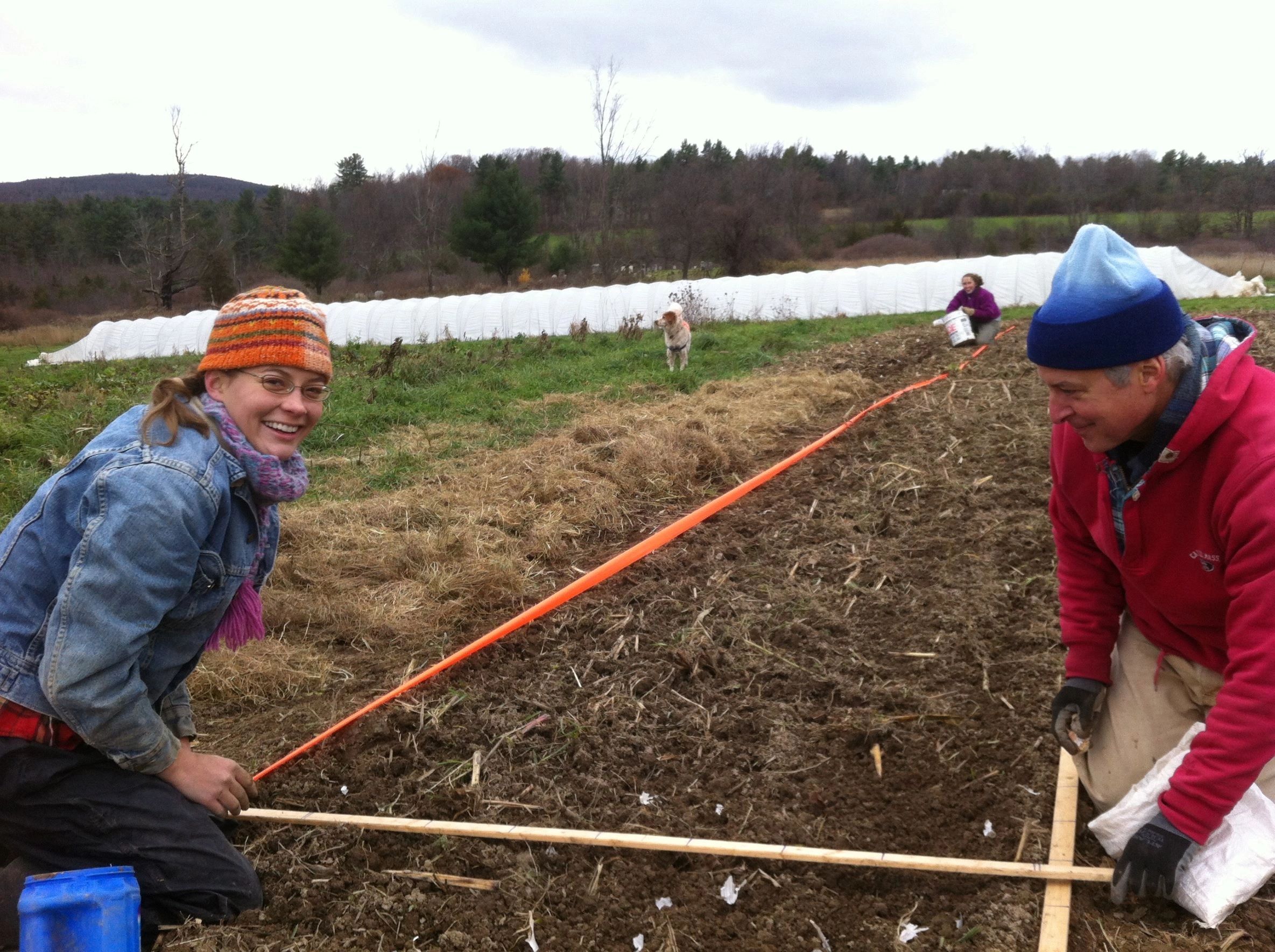
In 1900, 41 percent of the American workforce was employed in agriculture. By 1970, that share had fallen to 4 percent. By 2000, it was 1.9 percent. (USDA ERS, historical transformation)
That may be the clearest measure of modern agriculture’s success. Over the twentieth century, mechanization, improved genetics, fertilizers, pesticides, irrigation, transportation, and larger markets allowed fewer people to produce much more food. USDA’s latest productivity estimates show that U.S. farm output in 2023 was roughly three times its 1948 level. Over the same period, labor used in agriculture fell 76 percent and land inputs fell 28 percent. (USDA ERS, productivity data)
Those efficiencies helped make food more abundant and affordable. They also freed millions of people to work in manufacturing, education, health care, science, government, and an expanding service economy. Economic diversification was not a failure of agriculture. It was essential to rising living standards and to the choices many families have today.
But every period of agricultural progress has involved trade-offs.
What efficiency leaves out
USDA’s measure of total factor productivity asks how efficiently agriculture turns land, labor, capital, and purchased inputs into output. On that measure, the gains have been extraordinary. From 1948 to 2023, labor and land use fell sharply while machinery and intermediate inputs—including energy, chemicals, materials, and purchased services—became more important.
Some of the costs of that transition did not disappear. They moved. They appeared in soil and water degradation, dependence on fossil-fuel-based inputs, concentrated markets, public-health concerns, and rural communities with fewer farms and locally owned businesses.
Efficiency also changed what we expect from agriculture. We came to treat fewer people producing more food as an unquestioned good. Labor became something to eliminate rather than one possible benefit of a healthy regional economy.
That assumption deserves another look.
AI changes the question
For generations, workers leaving agriculture could expect growing opportunities elsewhere. Now artificial intelligence is beginning to perform some of the routine cognitive and administrative work that defines modern office employment.
No one knows how quickly that will affect employment. The International Labour Organization estimates that one in four jobs worldwide has some exposure to generative AI, while emphasizing that job transformation is more likely than wholesale replacement. Still, it is reasonable to ask whether the next economy will need as many people processing information, preparing routine documents, and moving data among systems. (ILO, 2025)
The usual question is: What new technology jobs will replace those jobs?
Here is another: Could some human capacity return to food, land, care, repair, construction, and other forms of productive, place-based work?
A modern agrarian revival
An agrarian revival would not mean sending everyone back to the farm or romanticizing a past marked by punishing labor, economic insecurity, and limited choices. Nor would it mean abandoning large-scale agriculture, global trade, or useful technology.
It would mean rebuilding a layer of the economy that has become too thin: small and midsized farms, regional processors, independent distributors, food hubs, commercial kitchens, equipment repair businesses, institutional purchasing relationships, and the other enterprises required to move food from local land to local markets.
That system would require more people. USDA research has found that farms selling directly to consumers hire significantly more labor than farms in the same sales categories without direct sales. Local and regional food systems also need work that consolidated supply chains handle internally: aggregation, processing, transportation, marketing, buyer relationships, and regulatory compliance. (USDA ERS, local-food labor)
In narrow terms, more labor can look like inefficiency. But employment, stewardship, skills, resilience, and local ownership are not simply costs. They can also be outcomes worth producing.
What this could mean for Maine
Maine is a good place to explore this possibility—but it will not happen automatically. People affected by AI will not simply leave an office and become farmers. Viable pathways would require affordable access to land and housing, secure tenure, training, financing, processing, markets, and farm and food-system jobs that can support a family.
AI could also help. Small farms and food businesses carry substantial administrative burdens. If new tools reduce the time spent on bookkeeping, marketing, compliance, crop planning, and logistics, they could make smaller enterprises more viable while allowing people to focus on production, craftsmanship, relationships, and stewardship.
For more than a century, progress meant moving people away from agriculture. That transformation produced enormous benefits. The next stage of progress does not require reversing it—but it may require correcting its excesses.
Perhaps the future of work does not lead everyone farther away from the land. Perhaps, for some of us, it creates a path back.