The sentimental version of Maine agriculture is easy to sell.
The financial version is harder.
Maine had 7,036 farms in 2022. Ninety-five percent were family farms. But more than 5,300 of them sold less than $25,000 a year. Just 58 farms accounted for half of the state’s agricultural sales. More farms reported net losses than net gains: 4,426 to 2,610.
That is not a marketing problem.
It is a margin problem.
And the pressure is growing. Between 2017 and 2022, Maine lost 564 farms and 82,567 acres of farmland. The average value of land and buildings per farm jumped from $446,614 to $649,229. Machinery and equipment costs rose, too. Labor became the state’s largest farm expense category, at $150.6 million.
Done well, agritourism is a farm viability strategy.
Maine farms reporting agritourism and recreational services earned $12.15 million in 2022, up from $6.64 million in 2017. The number of reporting farms barely changed — 247 in 2017 and 241 in 2022.
That means the opportunity is not simply “more farms doing events.”
It is better models, better margins, and better support.
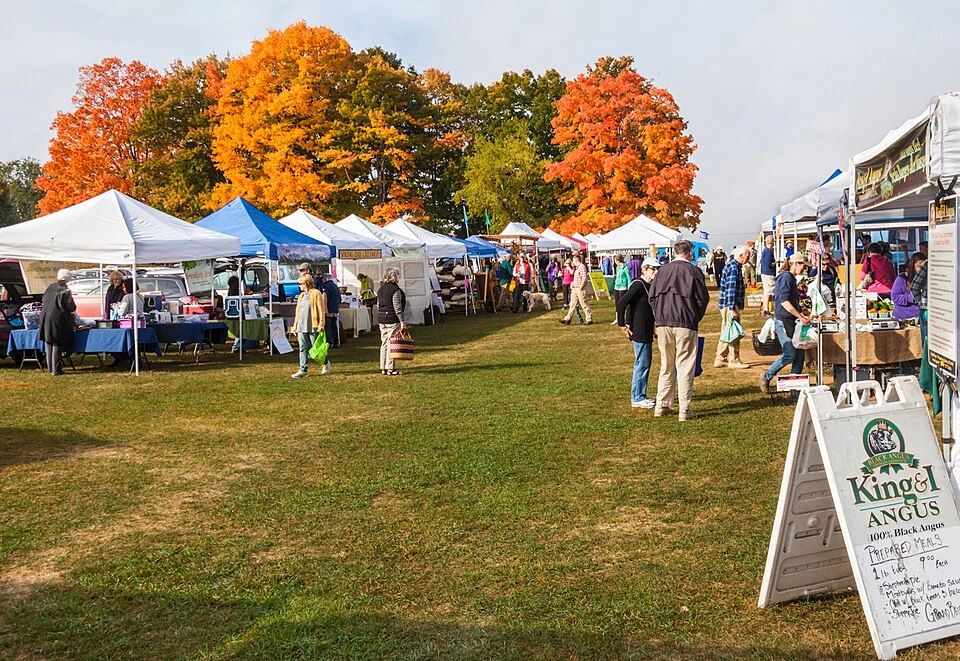
Maine also has a visitor economy to make this worth taking seriously. In 2024, Maine welcomed 14.8 million visitors who spent $9.23 billion directly in the state. Our top activities included food and beverage experiences, shopping, sightseeing, and outdoor recreation.
Farms sit right at the intersection of all four.
But agritourism is not right for every farm.
Some farms do not have the location. Some do not have the labor. Some do not want the public on-site. Some would be better off focusing on production, wholesale, value-added products, or institutional markets.
That is why Maine does not just need more agritourism promotion.
It needs an agritourism transition system.
A real system would help farms answer hard questions before they spend money:
Will this make money?
Who will do the work?
What does insurance require?
What does the town allow?
Where will people park?
Will this strengthen the farm, or distract from it?
Maine already has useful pieces: DACF resources, Real Maine, Open Farm Day, UMaine Extension tools, and a pilot agritourism coaching program. But pieces are not the same as a pathway.
The goal should not be to turn every Maine farm into a destination.
The goal should be to help the right farms test the right ideas at the right scale.
Three paid tours before a visitor center. A winter workshop series before a teaching kitchen. Six weekends of expanded farm store hours before a major retail investment.
Agritourism can be part of Maine’s farm viability strategy. But only if we fund the boring, useful stuff: planning, coaching, risk assessment, peer learning, technical assistance, small infrastructure, and business testing.
That is economic development rooted in working farms.